Terminals and Infrastructure · Industry News
Rotterdam’s first-quarter figures underline the changing rhythm of liquid-bulk flows
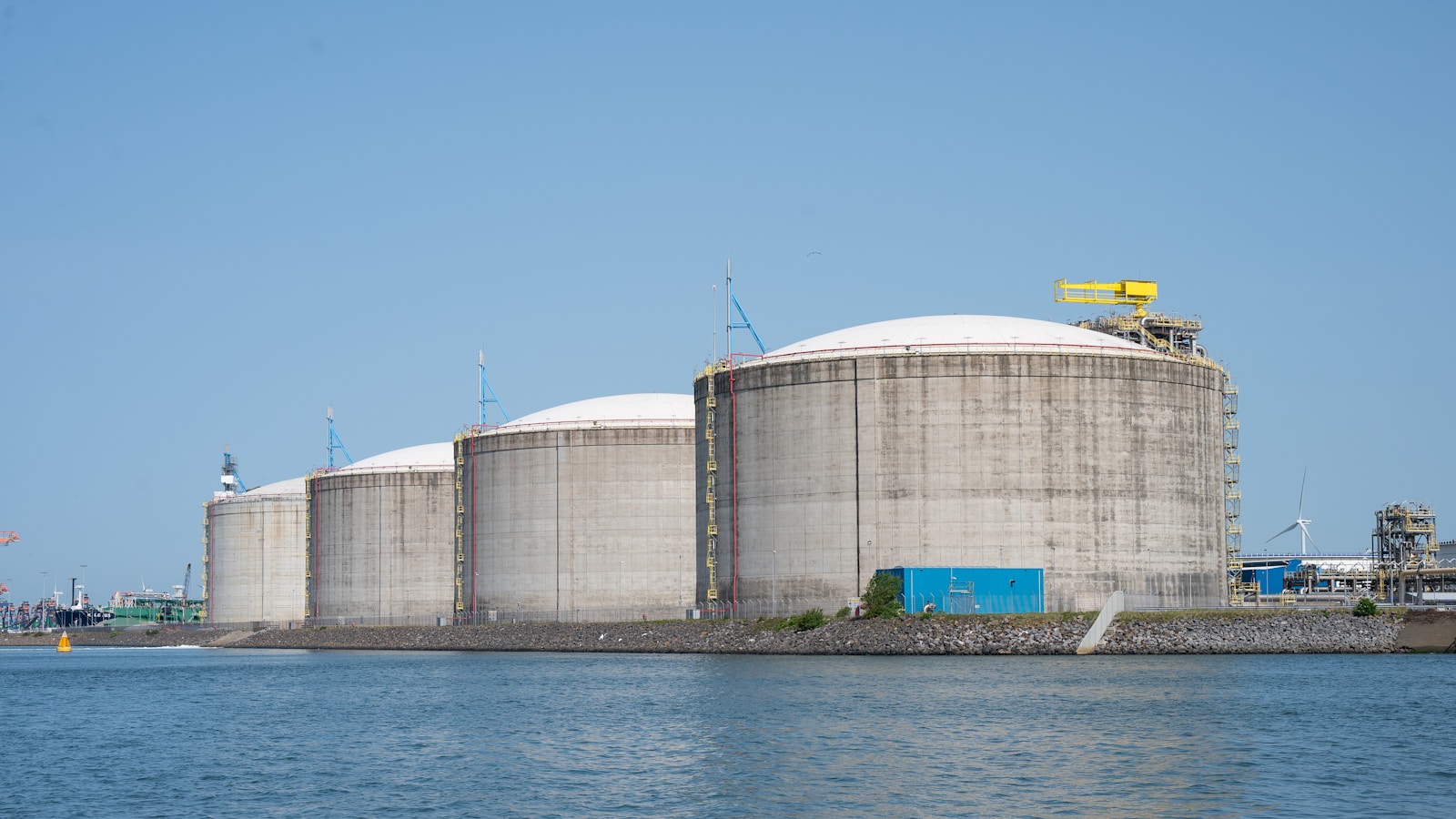
The Port of Rotterdam Authority’s first-quarter update places liquid-bulk throughput within a wider picture of stable port activity and uneven commodity flows. Crude and mineral-oil product movements can change for different reasons, including refinery intake, regional demand, trade routes and the structure of forward markets. The update is relevant to Northwest European logistics because it shows how a large port ecosystem can absorb changing mix and timing even when total volume is broadly steady. This article is an independent summary of the authority’s publication and does not imply participation by Dalian North Oil in port-wide statistics.
Why this matters for storage and logistics
For customers using Northwest European storage and distribution routes, cargo class and onward destination are as important as nominal volume. These inputs guide an initial terminal and transport discussion.
Sources and further reading
External-source reporting has been independently summarised. Dalian North Oil did not participate in the activity reported unless an item is explicitly identified as a company announcement. Market observations and outlooks are general industry analysis, not financial advice.