Terminals and Infrastructure · Industry News
Antwerp-Bruges data highlights liquid-bulk resilience amid altered European trade flows
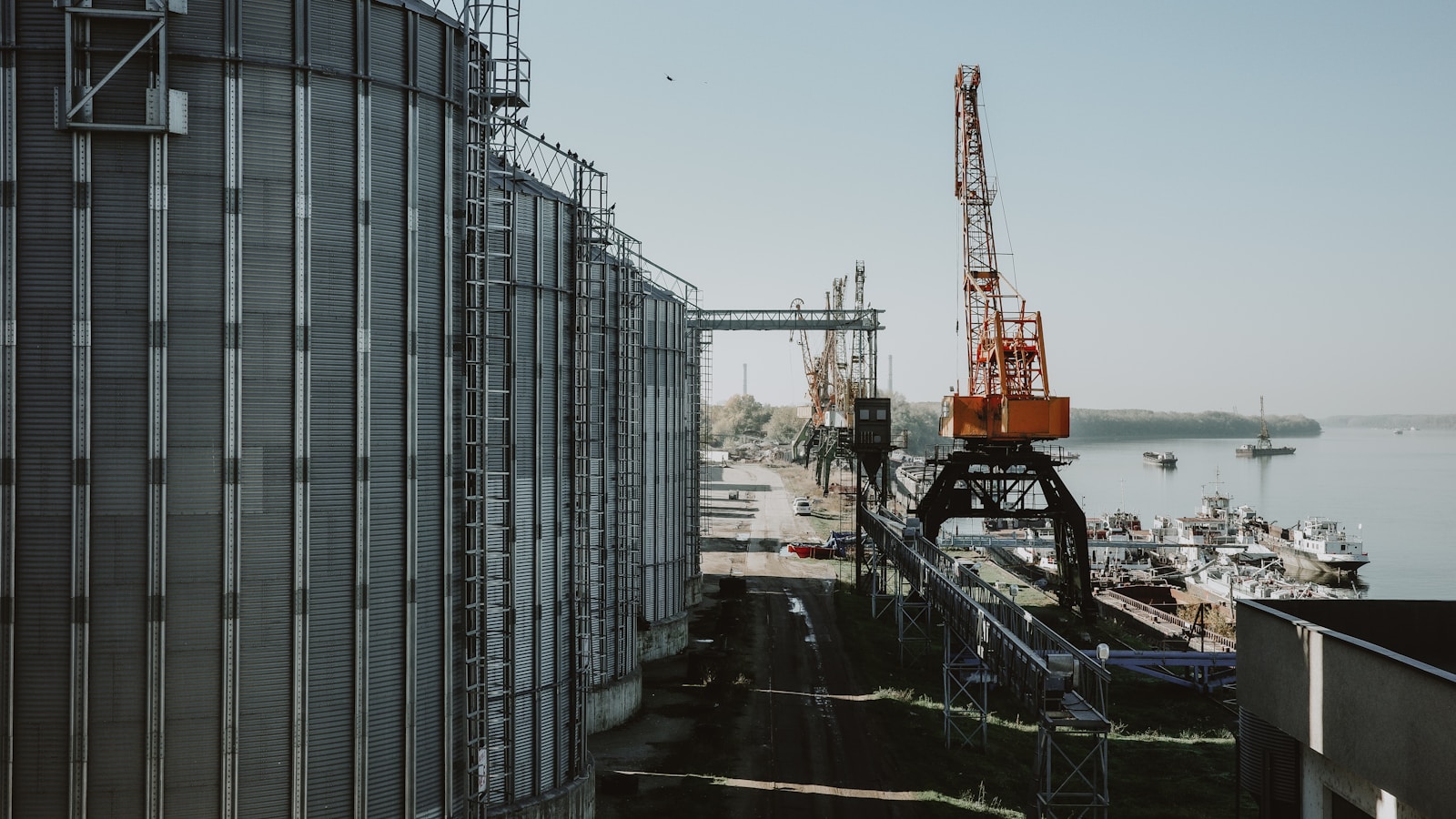
Port of Antwerp-Bruges reported a challenging first half for total maritime cargo while describing relatively limited movement in bulk volumes. Its publication notes changing energy flows, shifts in LNG and chemicals, and the influence of wider geopolitical and industrial conditions. For liquid-bulk planners, the useful point is that regional port performance is made up of changing categories rather than one uniform market. Naphtha, chemicals and other liquid flows can respond to different supply and demand conditions. This is an independent summary of the port authority’s source reporting, with no claim that Dalian North Oil took part in the activities described.
Why this matters for storage and logistics
European cargo requirements often combine storage with marine, barge, pipeline or rail interfaces. Defining the intended distribution route helps focus the initial operational conversation.
Sources and further reading
External-source reporting has been independently summarised. Dalian North Oil did not participate in the activity reported unless an item is explicitly identified as a company announcement. Market observations and outlooks are general industry analysis, not financial advice.