External-source reporting is independently summarised for logistics context. It is not a company announcement, investment advice or a statement of Dalian North Oil participation.

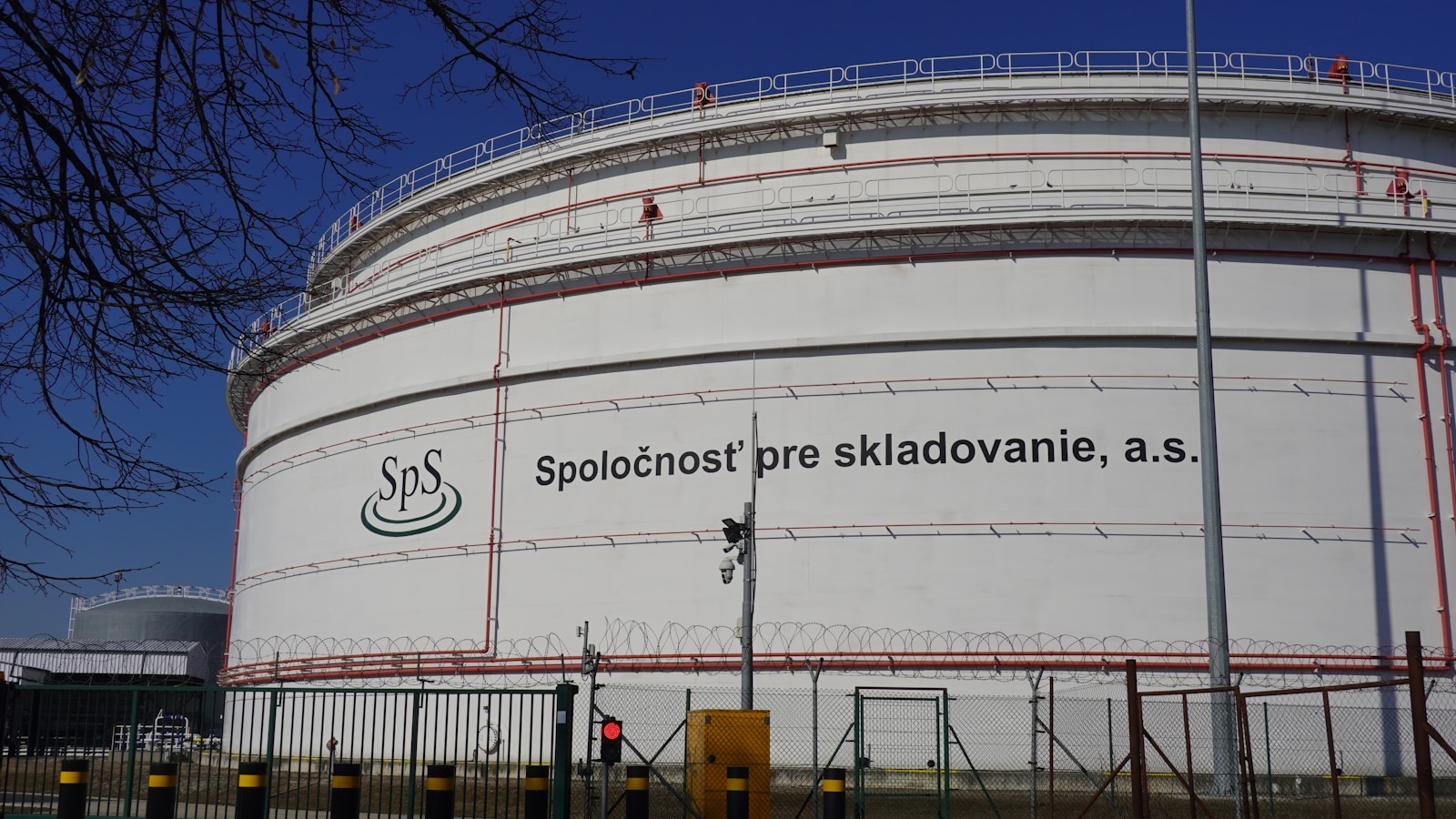
Illustrative wide view of large industrial storage tanks under a clear sky.

Market OutlookIndustry Outlook

Dalian North Oil newsroom analysis · 7 min read

Industry outlook: why storage planning must separate market balance from physical readiness

Public reports from energy agencies and major ports point to a simple operational lesson: a market balance can change quickly, while physical readiness still depends on cargo-specific connections, handling systems and documents. This is general industry analysis, not financial advice or a forecast of Dalian North …

Why it matters: The available indicators suggest that customers get a more useful first response when they provide a complete, non-confidential movement brief rather than relying on a market indicator alone. …

Read the insight
Illustrative aerial view of white petroleum storage tanks and connecting pipework.

Storage and InventoriesIndustry News

International Energy Agency · 4 min read

Observed oil inventories contract as supply disruption tightens buffers

The International Energy Agency’s August Oil Market Report describes a sharp July draw in observed global oil inventories. Its account separates a comparatively modest onshore reduction from a larger fall in oil held on water as export disruption constrained seaborne volumes. The report places …

Why it matters: Storage buffers become more consequential when supply and transport conditions change quickly. Customers planning receipt, segregation or onward movement benefit from defining timing, cargo …

Read the insight

Illustrative wide view of petroleum storage tanks under a clear sky.

Storage and InventoriesIndustry News

U.S. Energy Information Administration · 4 min read

EIA outlook keeps U.S. crude stocks below the recent five-year range

The U.S. Energy Information Administration’s August Short-Term Energy Outlook links commercial crude inventory expectations with refinery activity, trade flows and domestic production. Its forecast framework treats inventories as a balance outcome rather than a stand-alone indicator: refinery runs, imports, exports and seasonal demand all …

Why it matters: Inventory expectations can shape how shippers sequence receipts and deliveries. A commercial request should identify the intended receipt window, cargo type and onward route …

Read the insight

Illustrative aerial view of waterfront storage tanks and industrial port infrastructure.

Trade and RegulationIndustry News

Zhoushan Municipal People’s Government · 5 min read

Ningbo-Zhoushan’s new Jeddah service adds another China–Middle East logistics option

A newly reported direct service between Ningbo-Zhoushan and Jeddah illustrates how port-to-port links can change the timing and coordination options around Asia–Middle East cargo movements. The report concerns containerised trade, not a Dalian North Oil service or terminal operation.

Why it matters: Changes in regional shipping connectivity can affect planning assumptions around arrival windows and onward distribution. A useful storage or coordination enquiry should identify the …

Read the insight
Illustrative aerial view of industrial tanks and refinery infrastructure at sunrise.

Storage and InventoriesIndustry News

OPEC Monthly Oil Market Report · 4 min read

OECD oil stocks remain a closely watched signal for crude and product balances

OPEC’s Monthly Oil Market Report reviews OECD commercial stocks through separate crude and product balances, showing why aggregate inventory totals can conceal different market conditions. Month-to-month movements reflect refinery demand, import patterns and product consumption as well as changes in crude supply. For physical …

Why it matters: Separate crude and product balances reinforce the value of a precise cargo brief. Product category, segregation needs and expected delivery method help determine the …

Read the insight
Illustrative sunset view of storage tanks and pipework in Rotterdam’s Botlek industrial area.

Terminals and InfrastructureIndustry News

Port of Rotterdam Authority · 5 min read

Rotterdam’s first-half figures show how energy-route disruption can reshape port flows

Port of Rotterdam reported modest growth in total throughput in the first half of 2026, with oil and oil-product volumes higher in an unsettled trading environment. The figures add useful context for Northwest European logistics without describing activity at Dalian North Oil.

Why it matters: Northwest European requirements often combine marine receipt with barge, pipeline, rail or road distribution. Naming the intended interface early makes a terminal enquiry more …

Read the insight
Illustrative view of cylindrical petroleum storage tanks behind a perimeter wall.

Storage and InventoriesIndustry News

U.S. Energy Information Administration · 5 min read

EIA weekly data shows how crude and product stocks can move on different tracks

EIA’s weekly update for the week ending 17 July reported a crude-stock increase alongside different movements in gasoline, distillate and propane/propylene inventories. The release is a timely reminder that aggregate stock totals do not describe every product system in the same way.

Why it matters: Inventory data can sharpen planning context, but it does not substitute for a cargo-specific terminal discussion. Product category, quantity, dates and the proposed receipt …

Read the insight
Illustrative aerial view of a large North American refinery and industrial infrastructure.

Terminals and InfrastructureIndustry News

Port Houston · 5 min read

Port Houston advances channel and public-terminal projects in July update

Port Houston’s July commission update covered preliminary work on the next Houston Ship Channel improvement study, berth reconstruction and public-terminal planning. It is a public-infrastructure update, not a statement about the company’s Houston terminal or its commercial availability.

Why it matters: Port-development reporting can provide valuable regional context, but a commercial requirement still needs a defined cargo profile and operating sequence before terminal arrangements can …

Read the insight
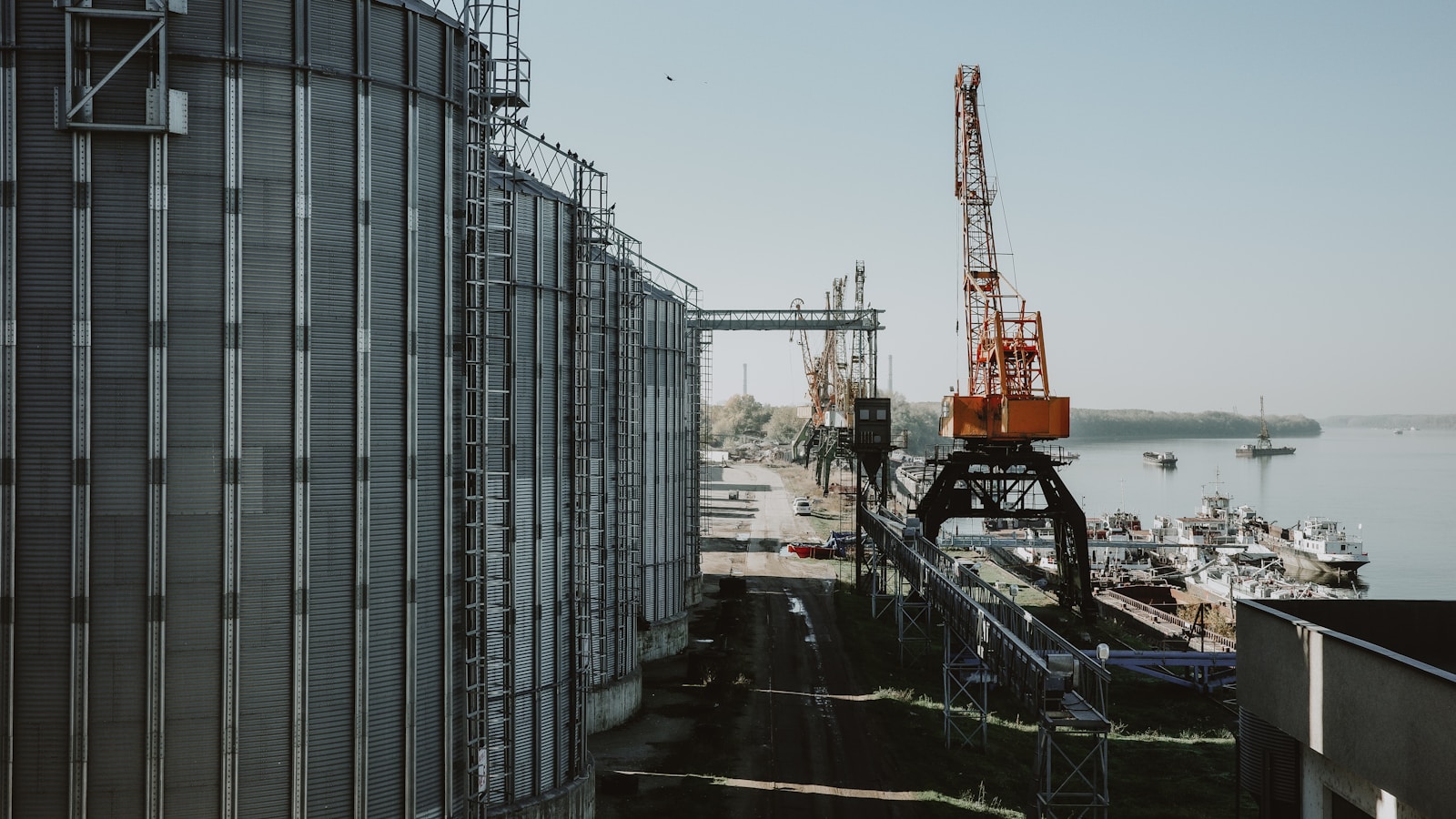
Illustrative view of waterfront silos, cranes and port logistics infrastructure.

Terminals and InfrastructureIndustry News

Port of Antwerp-Bruges · 3 min read

Antwerp-Bruges data highlights liquid-bulk resilience amid altered European trade flows

Port of Antwerp-Bruges reported a challenging first half for total maritime cargo while describing relatively limited movement in bulk volumes. Its publication notes changing energy flows, shifts in LNG and chemicals, and the influence of wider geopolitical and industrial conditions. For liquid-bulk planners, the …

Why it matters: European cargo requirements often combine storage with marine, barge, pipeline or rail interfaces. Defining the intended distribution route helps focus the initial operational conversation.

Read the insight
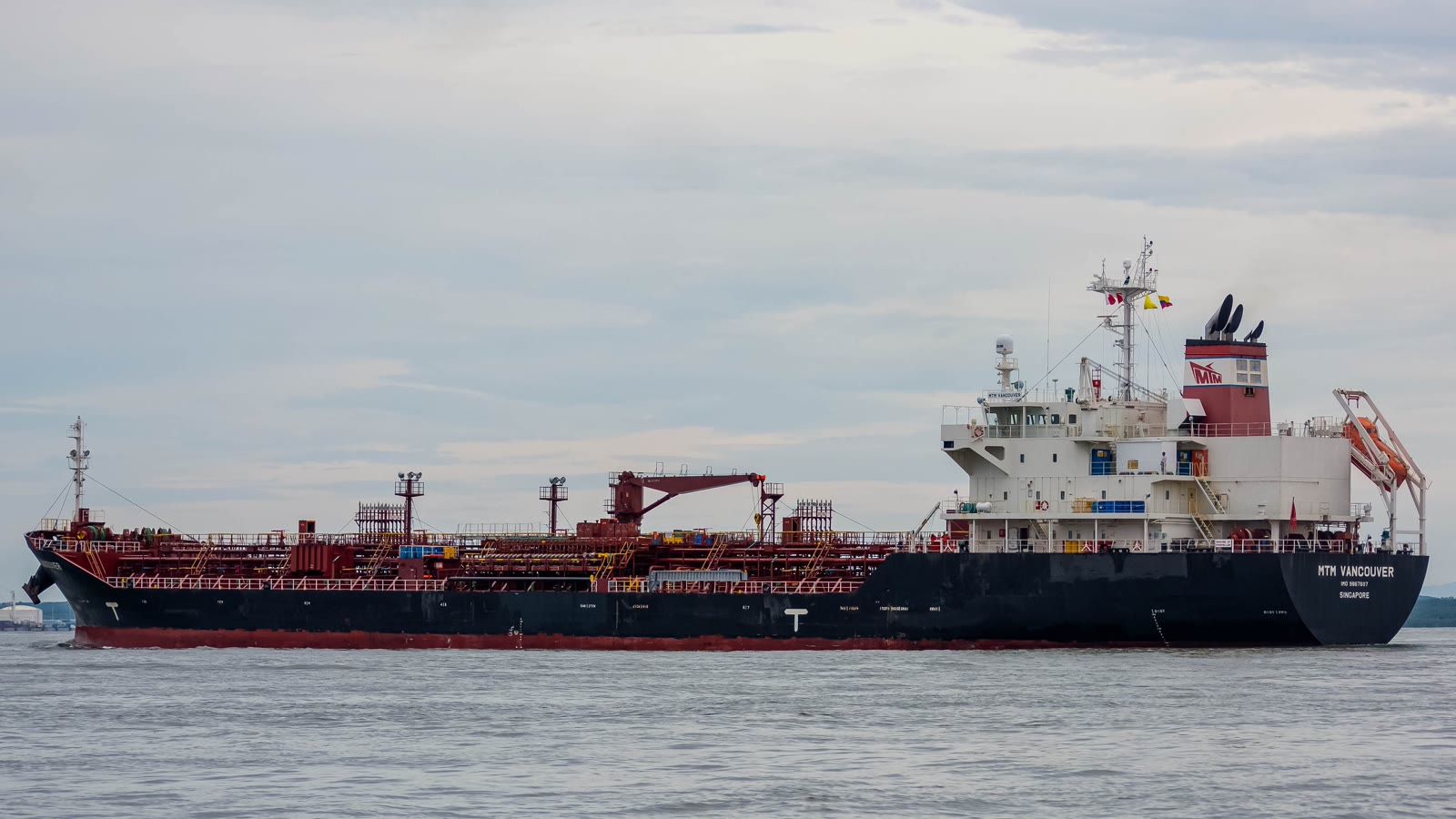
Illustrative oil tanker sailing in open water, representing seaborne petroleum logistics.

Storage and InventoriesIndustry News

International Energy Agency · 6 min read

IEA’s July assessment highlights the difference between crude flows and product recovery

The IEA’s July Oil Market Report described a partial recovery in Gulf crude flows while refined-product supply remained constrained. Its distinction between oil on water, onshore stocks and refinery output is useful operational context for storage and logistics planning.

Why it matters: When trade conditions are uneven, a request benefits from stating whether the cargo is crude, a refined product or another liquid bulk stream and …

Read the insight
Illustrative waterfront oil refinery and storage infrastructure under cloudy skies.

Market OutlookIndustry News

Organization of the Petroleum Exporting Countries · 5 min read

OPEC+ production adjustment keeps flexibility at the centre of August planning

Seven OPEC+ countries announced a combined 188,000-barrel-per-day adjustment for August while retaining the option to change course as conditions evolve. The announcement is a supply-policy statement, not a forecast of specific crude flows or terminal availability.

Why it matters: Supply-policy developments can make timing and grade selection more important in a physical request. Customers should specify the intended cargo, period and onward route …

Read the insight
Illustrative industrial port with ships and a mountainous coastal backdrop.

Marine FuelsIndustry News

AD Ports Group · 3 min read

Khalifa Port cooperation explores bunkering and alternative-fuel infrastructure

AD Ports Group announced an agreement with IRH Global Trading to explore cooperation on bunkering and alternative marine fuels at Khalifa Port. The published scope includes possible LNG, biofuels and methanol activity, alongside storage infrastructure, terminal facilities and fuel-testing considerations. The announcement is exploratory …

Why it matters: For customers considering marine fuels, the product pathway and handling context need to be explicit. Storage, transfer and documentation requirements can differ substantially across …

Read the insight
Illustrative night aerial view of a refinery complex and connected industrial infrastructure.

Market OutlookIndustry News

U.S. Energy Information Administration · 5 min read

EIA capacity report shows why regional refinery changes matter to product logistics

EIA reported that U.S. operable atmospheric distillation capacity was lower at the start of 2026 than a year earlier. Its regional observations explain why a national refining total does not fully describe local product-supply and distribution conditions.

Why it matters: Regional refinery and pipeline connections can influence planning assumptions for refined products. An enquiry should identify the product, receipt method and intended distribution path …

Read the insight
Illustrative aerial view of storage tanks, rail tracks and industrial distribution infrastructure.

Terminals and InfrastructureIndustry News

Energy Transfer · 5 min read

Nederland NGL project links export capacity with pipeline and dock expansion

Energy Transfer announced an expansion at its Nederland NGL export terminal that includes additional refrigeration, pipeline capacity and ship docks. The project shows how export terminals depend on connected storage and transport systems rather than a single waterside asset.

Why it matters: Pipeline-connected export infrastructure illustrates why a complete logistics brief needs both origin and destination context. Storage duration alone is rarely enough to assess a …

Read the insight
Illustrative aerial view of an Asian refinery and coastal industrial plant.

Marine FuelsIndustry News

Busan Port Authority · 5 min read

Busan consultation sets out a proposed LNG and methanol bunkering infrastructure pathway

Busan Port Authority described a consultation on a proposed clean-fuel bunkering infrastructure plan for Busan New Port. The proposal illustrates the scale of coordination required when ports assess more than one marine-fuel pathway.

Why it matters: Marine-fuel requirements require more than a product name. Vessel context, transfer method, dates and applicable standards all shape the practical operating discussion.

Read the insight
Illustrative view of a large ship and cranes at an industrial port.

Terminals and InfrastructureIndustry News

Royal Vopak · 3 min read

Vopak’s 2026 outlook points to sustained demand for terminal infrastructure

Royal Vopak’s 2026 market update discusses demand for storage infrastructure across oil, chemicals and industrial transition flows. Such operator reporting is useful as a sector signal because it connects utilisation, asset development and customer demand without making any one port a proxy for all …

Why it matters: Terminal selection is more than a capacity question. Customers should consider cargo profile, marine interface, distribution connection and timing together when setting out a …

Read the insight
Illustrative view of ships alongside an industrial waterfront with refinery structures.

Market OutlookIndustry News

Port of Antwerp-Bruges · 3 min read

Antwerp-Bruges quarterly data shows divergent movements across liquid-bulk products

Port of Antwerp-Bruges’ first-quarter release reported a small increase in liquid bulk, with individual product categories moving in different directions. Gasoline, naphtha, fuel oil and LNG increased, while diesel, kerosene and LPG declined. The authority links the pattern to feedstock changes, market structure, geopolitical …

Why it matters: Different products require different operating arrangements. A concise product description and the intended onward movement are essential inputs for a useful initial logistics review.

Read the insight
Illustrative waterside view of industrial storage tanks and energy infrastructure.

Terminals and InfrastructureIndustry News

Port of Rotterdam Authority · 3 min read

Rotterdam’s first-quarter figures underline the changing rhythm of liquid-bulk flows

The Port of Rotterdam Authority’s first-quarter update places liquid-bulk throughput within a wider picture of stable port activity and uneven commodity flows. Crude and mineral-oil product movements can change for different reasons, including refinery intake, regional demand, trade routes and the structure of forward …

Why it matters: For customers using Northwest European storage and distribution routes, cargo class and onward destination are as important as nominal volume. These inputs guide an …

Read the insight
Illustrative refinery storage tanks and pipework at sunset.

Marine FuelsIndustry News

Maritime and Port Authority of Singapore · 5 min read

Singapore’s tanker-planning work focuses on coordination before a vessel reaches berth

Singapore’s Maritime and Port Authority described tanker trials for its Just-In-Time Planning and Coordination Platform alongside digital and operational initiatives. The update shows why information quality can be as important as physical infrastructure in marine logistics.

Why it matters: A well-prepared enquiry gives operations teams the information they need to coordinate effectively: product, quantity, vessel or receipt method, dates, storage period and onward …

Read the insight
Illustrative dusk view of a refinery and waterfront industrial infrastructure.

Terminals and InfrastructureIndustry News

Port of Rotterdam Authority · 4 min read

Rotterdam’s annual throughput data separates stronger crude flows from softer products

The Port of Rotterdam Authority reported that 2025 crude throughput increased while mineral-oil product volumes declined. Its explanation points to refining margins, backwardation and limited arbitrage opportunities as factors shaping the product side of the market. The two directions are a reminder that liquid-bulk …

Why it matters: A storage enquiry is stronger when it identifies whether the requirement concerns crude, an intermediate stream or finished product, and whether marine, pipeline, barge, …

Read the insight
Illustrative LNG tanks on a barge beside port cranes.

Trade and RegulationIndustry News

Maritime and Port Authority of Singapore · 4 min read

Singapore’s LNG bunker licence call emphasises end-to-end operating readiness

The Maritime and Port Authority of Singapore opened applications for additional LNG bunker supply licences and described the operational elements applicants need to address. These include supply arrangements, planning, cargo transfer, storage, safe handling and vessel capability. The authority also linked licensing to evolving …

Why it matters: Specialised fuel movements require a clear request scope. Product information, vessel or receipt method, dates and delivery context help determine which operating questions need …

Read the insight
Illustrative tanker at sea, representing marine-fuel and vessel logistics context.

Marine FuelsIndustry News

Maritime and Port Authority of Singapore · 4 min read

Singapore’s port performance frames a broader move toward multi-fuel bunkering

The Maritime and Port Authority of Singapore reported record port performance for 2025 and set out several initiatives for a broader marine-fuel future. Its release covers conventional bunkering activity alongside LNG licensing, work on standards and plans connected with methanol and ammonia readiness. The …

Why it matters: Marine-fuel requirements should state the product, delivery method and vessel context from the start. That makes it possible to identify a relevant terminal discussion …

Read the insight
Illustrative stainless-steel storage tanks and processing pipework inside an industrial plant.

Trade and RegulationIndustry News

International Maritime Organization · 5 min read

New IMO fuel-declaration requirements reinforce documentation in bunkering operations

IMO amendments effective from 1 January 2026 add a declaration requirement before bunkering for ships carrying oil fuel. The change highlights the role of documentation and fuel information alongside physical transfer controls.

Why it matters: Customers with marine-fuel requirements should identify the fuel, vessel context, proposed documents and relevant standards at the beginning of the discussion. That allows the …

Read the insight
Illustrative LPG carrier passing beneath a bridge.

Terminals and InfrastructureIndustry News

AD Ports Group · 3 min read

Khalifa Port plans point to additional LNG and LPG terminal capacity in the UAE

AD Ports Group announced agreements with NIMEX Terminals for planned LNG and LPG terminal hubs at Khalifa Port. The publication describes intended import, export and transshipment functions and positions the proposed infrastructure within regional and Asian energy-demand links. As with any planned facility, the …

Why it matters: Planned infrastructure can influence future trade patterns, but a present storage enquiry should remain specific about cargo, timing, required terminal and onward movement rather …

Read the insight

For corporate or media enquiries, contact corporate@daliannorthoil.com.